Latex, derived from natural rubber tree sap, offers unique resilience and support that enhances comfort in bedding products. In this category, latex is examined for its structural properties, including superior breathability, hypoallergenic qualities, and durable responsiveness. Understanding latex helps explain how pillows, toppers, and mattresses provide consistent support for various sleep postures and pressures.
Multiple latex configurations influence performance, including Dunlop and Talalay processes. Dunlop tends to be denser and more supportive, while Talalay offers lighter, more contouring softness. This distinction guides selections for neck and shoulder alignment, pressure relief, and temperature regulation, making latex a versatile option for adjustable bed setups and personalized comfort.
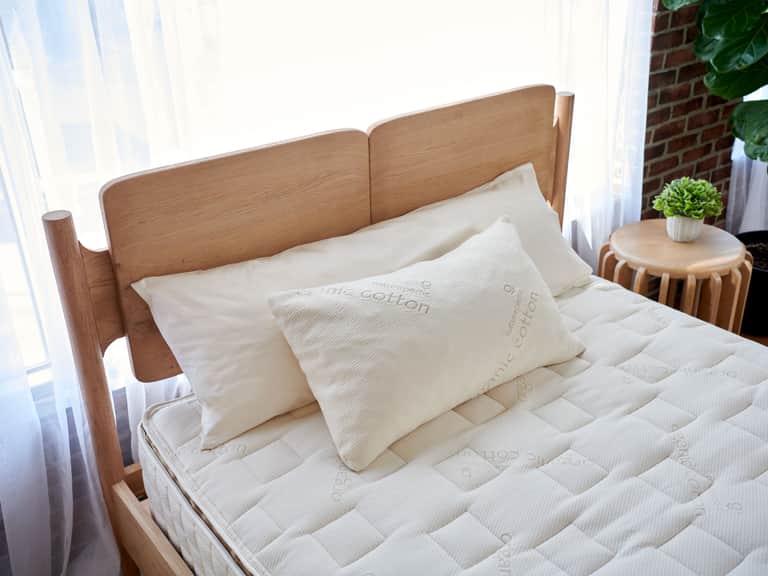
Natural latex pillows, particularly those like the Naturepedic Organic Adjustable Latex Pillow, illustrate how latex can combine organic materials with adjustable fill features. Such pillows emphasize adjustable loft, responsive support, and improved airflow, contributing to stable head and neck alignment and reduced allergen exposure through organic components.
In the realm of bedding, latex mattress toppers and latex-infused components support dynamic adjustability in beds designed for customizable firmness and elevation. The inherent elasticity of latex aids motion isolation and even weight distribution, complementing adjustable beds and sleep systems that require precise contouring without sacrificing surface resilience.
Key product characteristics to consider include density, cell structure, synthetic versus natural additives, and certification standards for organic and low-allergen materials. When evaluating latex options, focus on breathability, durability, and compatibility with bedding accessories such as hypoallergenic pillow cores and topper layers to enhance long-term sleep comfort.
 Bedding