A refined guide to selecting latex mattress toppers that balance comfort, support, and durability. We explore density, the Dunlop vs. Talalay debate, organic certifications, and layering strategies to elevate sleep quality across bed types and personal preferences.
Latex is renowned for its buoyant support, breathability, and durability. But not all latex is created equal. Two primary processing methods shape its feel: Dunlop and Talalay. Dunlop latex is typically denser and firmer, delivering a robust, supportive base that resists compression over time. Talalay latex tends to be lighter and more plush, offering a smoother contour with noticeable bounce. For a topper, the choice between these two can define sleep posture alignment, temperature management, and the overall perception of firmness.
When you evaluate a latex topper, consider your weight, sleeping position, and existing mattress firmness. Heavier sleepers often benefit from Dunlop’s denser core for lasting support, while lighter sleepers might prefer Talalay’s livelier response. The synergy of both can also be explored through layered toppers, where a firmer Dunlop layer below a softer Talalay layer creates a tailored, multi-density sleeping surface.
In the world of latex, purity is more than a buzzword. Certifications such as GOLS (Global Organic Latex Standard) and other recognized eco-labels help ensure the absence of harmful additives and a commitment to organic production practices. For readers who value skin-friendly materials and sustainable sourcing, organic latex with a certified organic cotton or natural fabric cover provides a sleep surface that is gentle on both body and environment.
When selecting a latex topper, examine not only the latex density and process but also the cover materials. Breathable, natural covers—such as organic cotton or cotton blends—enhance airflow and help dissipate heat. Removable, washable covers are a practical feature that extends the topper’s life and maintains hygiene for allergy-sensitive sleepers.
Density affects support and durability. Higher density latex generally provides longer-lasting contour with firmer support, while lower density offers more immediate softness and pressure relief. A common starting point for weighted sleepers is a medium to medium-firm profile, with adjustments based on personal comfort and mattress feel.
Latex toppers are resilient but benefit from proper care: rotate regularly, use a protector to guard against spills, and ensure the cover remains breathable and clean. With appropriate care, a latex topper maintains its bounce and contour for many years, delivering enduring comfort.
From the early pioneers of foam to the modern artisans shaping latex today, three figures illuminate how sleep comfort has evolved. Each voice—from different eras—adds a unique lens on what makes a mattress topper feel like couture for the body.
In the era of early ergonomics, Dupont explored the relationship between posture and bedding. While he did not work with latex toppers as we know them, his inquiries into spinal alignment and support informed the decades that followed. His notebooks, now archived, demonstrate the instinct to design sleep surfaces that cradle the body, not merely cover it. The seminal idea: a topper should harmonize with the sleeper’s contours, distributing pressure to reduce wakeful tossing.
As materials science advanced, Voss’s work focused on the science of foams and elastomers that later intersected with latex technology. Her research into elasticity, rebound, and thermal dynamics helped establish a framework for evaluating how a topper responds to body weight and movement. She argued that a topper should offer not just firmness, but a dynamic response that supports varied sleep positions without collapsing under load.
Today, Chen champions sustainable latex production and cloud-soft cover systems. Her collaborations with organic-certification bodies and bedding brands push the industry toward transparent materials and customer-centric designs. She embodies the modern approach to toppers: a high-performance surface built on organic, responsibly sourced latex and breathable, washable covers that marry luxury with longevity.
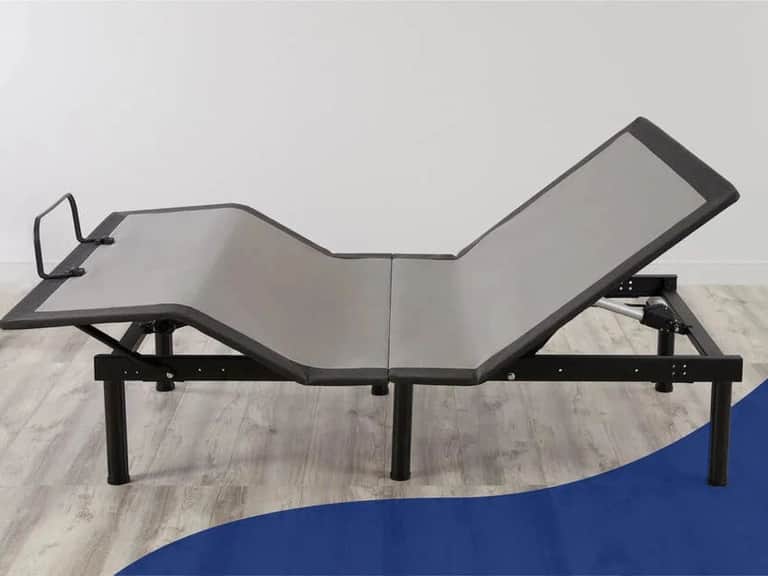
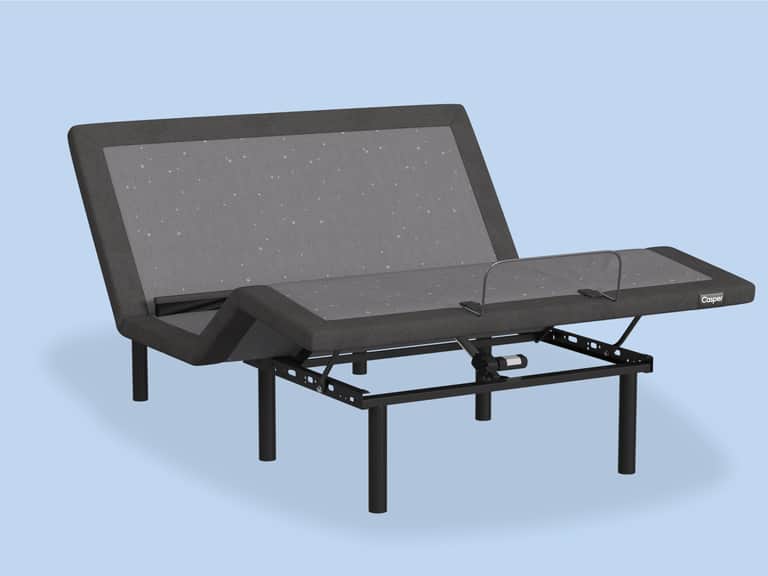
The Adjustable Base Pro is a crown jewel in the realm of adjustable sleep foundations. With virtually unlimited head and foot adjustments, lumbar presets, and a Zero Gravity mode, it creates the ideal stage for latex toppers to perform. A three-level massage, wireless control, and USB ports ensure digital convenience keeps pace with physical comfort. The base is designed to integrate with existing frames and can be configured as a Split King so partners customize their sides independently. It is compatible with a wide range of Casper mattresses, offering a seamless sleep system that aligns with luxury and longevity.
Product visual (illustrative)
Crafting the perfect sleep narrative begins with understanding your body, bed, and preferences. Here is a practical checklist drawn from industry insight and personal care routines to help you select a latex topper that elevates both comfort and longevity.
Latex toppers are an artful symphony of comfort, support, and durability. The choice between Dunlop and Talalay, the density that best suits your body, and the organic integrity of materials all converge to shape the nightly ritual of rest. By embracing organic certifications, layering intelligently, and pairing toppers with compatible bases like the Adjustable Base Pro, you can curate a sleep experience that feels couture—timeless, elegant, and deeply restorative.
As you embark on your latex topper journey, remember that the ultimate luxury is a night spent in effortless repose. The right topper invites your body to glide into balance, your spine to align with your posture, and your mind to drift into the kind of deep, uninterrupted sleep that only true comfort can confer.